Winter is the season that exposes every shortcut in a container. A pot that looked handsome in June can crack after a wet freeze, heave off a balcony ledge, or hold water around the roots until the plant sulks. The plant may be hardy; the planter often is not.
Choosing outdoor planters for cold weather is less about predicting the worst and more about removing the weak points: trapped water, thin walls, unstable shapes, and pots you cannot move when the weather turns. Get those right and winter becomes a season you can mostly leave alone.
Start with the material, not the colour
Material decides how a planter behaves when water freezes inside it. Freezing water expands; a container that absorbs moisture or flexes badly will crack, spall or split. A container that stays rigid, drains freely and has a little give is far more likely to come through.
- Terracotta and unglazed clay: beautiful and breathable, but only buy pots labelled frost-resistant. Thin, cheap terracotta is a gamble in a hard freeze.
- Glazed ceramic: the glaze sheds water, but a chip or hairline crack lets moisture into the body. Check the base and rim before buying, and avoid very thin walls.
- Concrete and cast stone: heavy enough to stay put in wind, but water can collect in the base or in surface pores. Good drainage and a raised position matter more than weight alone.
- Wood: naturally insulating and less likely to shatter, but it rots if it stands in water. Choose rot-resistant or properly treated timber and raise it on feet.
- Metal: strong and light for its size, though it rusts and conducts cold. Check for drainage, and avoid thin decorative seams that trap water.
- Plastic, resin and fibreglass: often the most practical winter choice. Thick walls, UV stability and some flexibility help; very thin plastic can become brittle and split.
Ignore “weather-resistant” if your real concern is frost. That phrase often means colour-fast and rain-tolerant, not freeze-proof. Look for clear frost-resistance wording, thick walls and a sensible drainage hole.
Drainage is the difference between cold and rot
A planter without working drainage is a bucket with a plant in it. In winter, rain fills the pot, roots sit in cold saturated compost, and the whole root ball can freeze into a solid block. Even a hardy plant may not survive that.
Check drainage before you fill anything. The hole should sit at the lowest point, not in a recessed base where water can pool. Pour a little water through and watch it leave. If it drains slowly, enlarge the hole carefully or choose another pot. A piece of mesh over the hole stops compost washing out without sealing it.
Saucers are useful in summer and a liability in winter. Remove them, or empty them after rain. Stand pots on feet, bricks or purpose-made pot risers so water can escape and air can move underneath. A gravel layer in the bottom of a normal pot does not create drainage; it simply raises the saturated zone. Use a free-draining compost and let gravity do the work.
If a pot has no drainage hole, treat it as a cachepot: keep the plant in a smaller inner pot and tip out rainwater after storms.
Frost resistance is more than a label
Frost damage usually happens after repeated freeze-thaw cycles, not in one dramatic night. Water enters a tiny crack or porous wall, freezes, expands, and widens the weakness. That is why a pot can survive one cold snap and fail in February.
In cold gardens, choose thick-walled, rounded or tapered planters over thin, square ones with sharp corners. Sharp corners concentrate stress. Glazed pots should be checked for chips, especially near the base. If a pot already has a hairline crack, do not leave it outside full of wet compost; move it under cover or use it as a decorative sleeve.
Position is part of frost resistance. Put vulnerable pots against a sheltered wall, under an eave or in a courtyard corner where they are out of the worst wind and driving rain. Group them together for mutual insulation. In severe cold, wrap the sides with bubble wrap, hessian or horticultural fleece, but leave the drainage hole and the top of the compost open to air. Never seal a pot into a plastic bag and call it protected.
Remember that roots in a pot are more exposed than roots in the ground. A plant sold as hardy may still suffer if its roots freeze solid. A larger pot, a sheltered spot and a mulch of bark or leaves over the compost will help more than a decorative cover.
Size and shape decide how it handles winter
A larger volume of compost changes temperature more slowly than a small one, so roots have some buffer against sudden cold. But bigger is not automatically better. A huge pot full of wet compost is heavy, slow to dry out and difficult to move.
Choose a planter that gives the root ball a modest margin, not a vast empty reservoir of soil. For shrubs and small trees, a wider pot is usually more useful than a very tall, narrow one: it is more stable in wind and less likely to tip. Tall planters need a broad base or a sheltered position. Avoid narrow necks if you will need to repot later.
Think about the plant’s roots as well as the top growth. A climber or small tree in a lightweight pot can become a sail in winter gales. If the pot is on a balcony, check that it cannot shift against the railing. Stability is part of winter-proofing.
Decide now whether you can lift it later
Wet compost is surprisingly heavy. A pot that was easy to carry in spring may be immovable after a week of rain. Before you fill a planter, decide where it will spend winter and whether you could move it alone if a cold snap or storm warning arrives.
If lifting is unlikely, buy a pot with handles, a wheeled saucer or a dolly, or choose a lighter material. Place it in its final position before filling. If you need to move it, do it before the first hard freeze, not in the middle of one. Emptying some compost and moving the pot in two stages is easier than straining your back. On balconies and roof terraces, weight matters; if you are unsure about the load, ask a structural professional rather than guessing.
The practical buying checklist
Take this list to the garden centre, or use it before you order online. It will filter out most pots that look good but fail in cold weather.
- Check the drainage hole: at the lowest point, clear, and large enough not to clog.
- Ask what “frost-resistant” means: look for explicit wording, not just “weather-resistant”.
- Feel the wall thickness: thin walls crack more readily; thick walls insulate better.
- Look for chips and cracks: especially on glazed pots and near the base.
- Choose a stable shape: wide base, no sharp weak corners, sensible height.
- Estimate the wet weight: can you move it, or does it need a dolly?
- Plan the winter position: sheltered, raised, and away from downpours and wind.
- Buy pot feet or risers: cheap insurance against standing water.
The best winter planter is not the toughest-looking one. It is the one that lets water out, holds its shape, suits the plant’s roots and can be moved or sheltered when the forecast turns. Buy for those qualities and the colour can be as bold as you like.
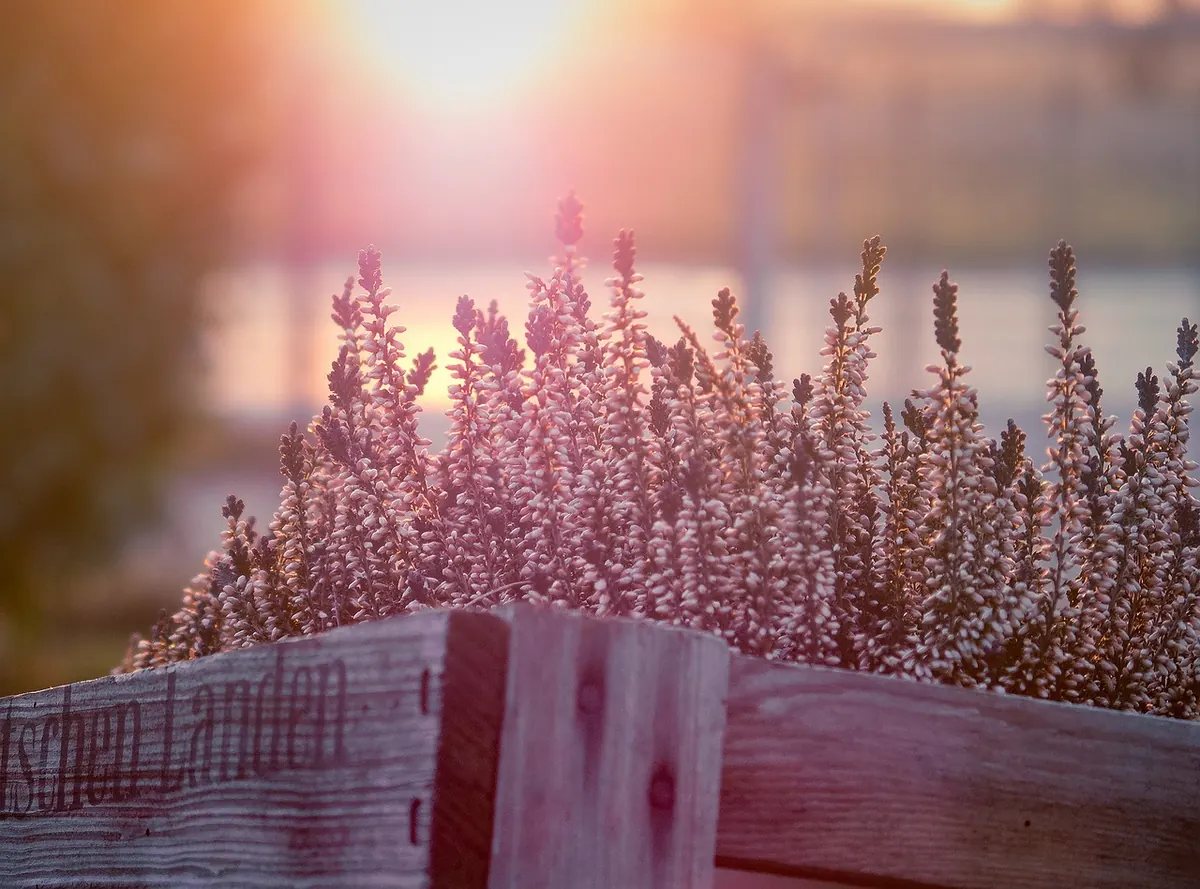
Photo: Zeitfaktor / Pixabay