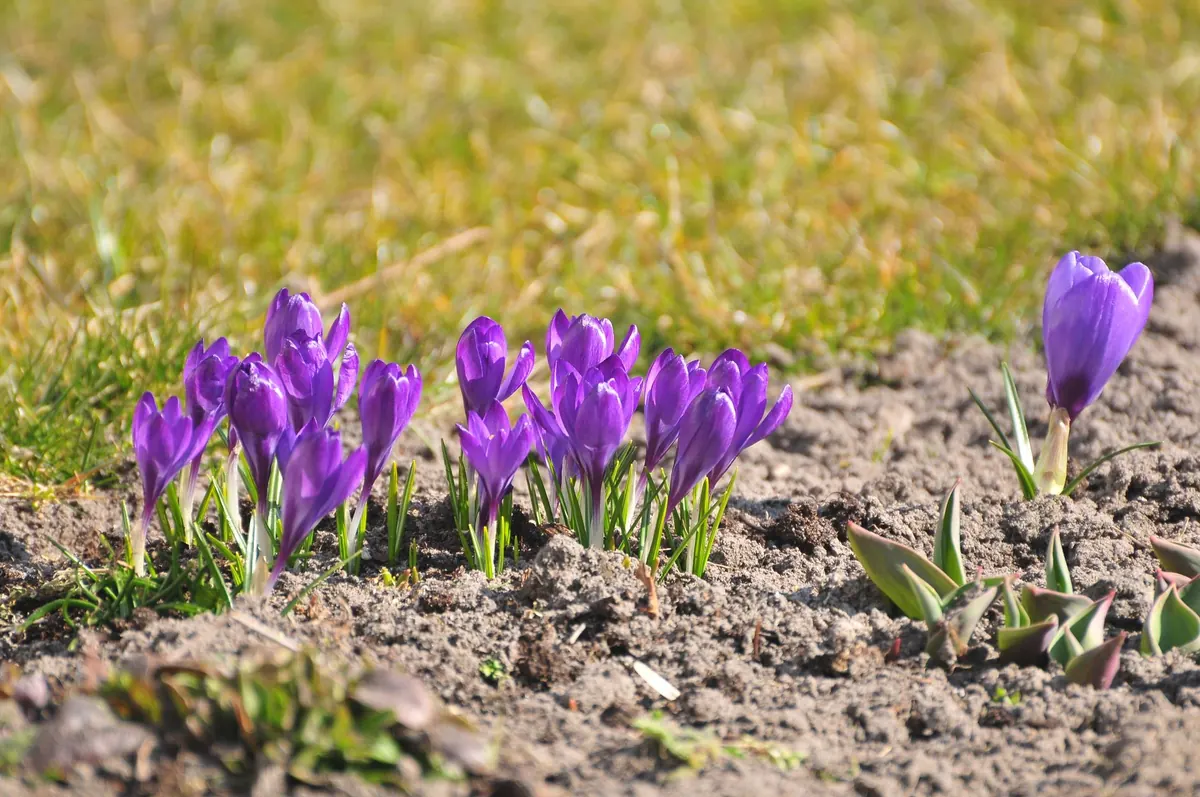
The best bulb-planting afternoon of the year rarely feels like gardening. The ground is cold, the light is going, and you are on your knees in the drizzle pushing what look like small onions into the mud. Then comes March, and every one of those onions turns into a flower you did not deserve. Spring bulbs are the most generous things you can put in the ground, and the only thing they ask is that you get the timing roughly right. Not the exact day, mind you. The soil temperature, the depth, the cold weeks ahead of them — those matter far more than whether you planted on the 12th or the 19th.
Start With Soil Temperature, Not the Calendar
Bulbs need two things before winter: time to grow roots, and cool soil that tells them the season has turned. Plant too early, into soil still holding summer warmth, and bulbs sit there sweating, prone to rot and mould. Plant too late, after the ground has already hardened, and the roots never establish, which is why you get blind stems and gaps in spring.
The useful marker is a soil temperature of roughly 13°C, taken about 10 cm down. You can use a cheap soil thermometer, or trust your hands and your instincts: if the soil still feels warm to a bare palm in the evening, wait another week or two. As a rule of thumb, aim to plant about four to six weeks before the ground normally freezes in your area. Where winters are mild and frost is rare, do the opposite — delay planting until late autumn, when the soil has genuinely cooled.
The Cold Spell Your Bulbs Are Waiting For
Most spring bulbs are adapted to a cold dormant period, and if they do not get it, they sulk. Daffodils and crocuses generally manage with less; many tulips and hyacinths want a long, cool stretch — often twelve to sixteen weeks of soil below about 10°C — before they will flower properly. In cold-winter regions, nature handles this. In mild coastal or southern climates, you may need to help.
Pre-chilling, the fridge method
Put bulbs in a paper bag or a mesh tray with a little dry compost, keep them away from fruit (ripening fruit gives off ethylene, which can damage bulbs), and store them in the refrigerator at around 4 to 8°C for six to eight weeks before planting. Never freeze them, and never store them in the same drawer as apples. If you are planting in containers in a mild climate, you can simply plant at the right depth, water once, and leave the pots somewhere cool and shaded until shoots appear.
A Region-by-Region Planting Window
These are broad windows, not appointments. Use them as a starting point, then adjust for the year you are actually having: a hot September pushes everything back, an early cold snap pulls it forward.
- Alpine valleys and higher Apennine ground: mid-September to late October. Get bulbs in early enough that roots form before the ground locks up. Mulch after the first hard frost.
- Northern plains and the Po valley: late September to mid-November. Bulbs planted in the first half of October are usually the strongest in spring.
- Central regions: mid-October to late November. Warm autumns are common here, so test the soil rather than trusting the date.
- Mild coasts and Liguria: late October to early December. Plant shallow-rooted bulbs a little deeper to keep them cool.
- Southern Italy and the islands: November into December. Pre-chill tulips and hyacinths in the fridge first; daffodils, muscari and anemones are far more forgiving of a warm winter.
- Cold continental winters elsewhere (northern Europe, northern US, Canada): late September to the end of October, and mulch containers heavily or move them against a wall.
If you only remember one thing: the warmer your winter, the later you plant.
Depth, Spacing and a Simple Rule
Plant each bulb at roughly two to three times its own height in depth, measured from the base of the bulb to the soil surface. A large daffodil goes about 15 cm down; a small crocus about 7 to 8 cm. Set them pointed end up, firm the soil gently, and water once to settle everything. Space large bulbs about 10 to 12 cm apart, small ones 5 to 7 cm. Crowding is fine for a display in one season, but it means lifting and dividing sooner.
Layering: More Flowers From the Same Pot
Layering, sometimes called the lasagna method, is the best trick in bulb gardening for anyone short of space. It fills a container from March to May with almost no extra effort.
- Choose a deep pot with good drainage and add a layer of crocks or gravel.
- Fill with compost to the depth where your largest bulbs belong, then set tulips or large daffodils in a ring, points up, not touching.
- Cover with a few centimetres of compost and add the next layer: smaller daffodils, hyacinths or muscari, planted between the gaps below.
- Add another thin layer, then the top storey — crocuses, snowdrops or pushkinia — just below the surface.
- Water once, label the pot, and top with gravel or small violas for winter interest.
Roots from different layers occupy different depths, so they compete less than you would expect. Use fresh, peat-free compost, and remember that containers freeze and thaw far more violently than open ground; plunge the pots in a sheltered spot or wrap them in hessian.
Keeping Squirrels, Mice and Birds Off Your Bulbs
Squirrels are not malicious, just efficient. Freshly turned soil plus the smell of disturbed bulbs equals an invitation, and a single afternoon can undo a whole weekend's work.
- Plant deeper than you think. A bulb 15 cm down is far less attractive than one at 8 cm.
- Lay chicken wire over the surface and peg it down, or bury a wire basket around the planting area. Remove it once shoots appear.
- Water the bed properly after planting. It settles the soil and mutes the scent trail.
- Clear away loose bulb skins and debris — the papery husks are what squirrels follow.
- Favour daffodils, alliums, hyacinths and snowdrops in the worst-affected beds; they are largely ignored, while tulips are treated as a snack.
- Refresh deterrents. Chilli powder, garlic sprays and similar remedies work only until the next rain, so reapply through the first few weeks.
Avoid the folk advice about adding bone meal at planting. It does little for bulbs in autumn and, in some gardens, seems to attract animals rather than discourage them. Feed instead when shoots break through in spring.
Your Weekend Bulb Checklist
Buy firm, heavy bulbs and reject anything soft or mouldy. Plant within a few days of buying, or keep them cool and dry until you can. Check the soil temperature, not the date on the packet. Set the biggest bulbs deepest, water once, label everything, and protect the surface if your garden has squirrels. Then leave them alone. The one thing bulbs cannot forgive is being dug up and fussed over before spring. Plant well, walk away, and let the cold do the rest.
Photo: Jarosław Ponikowski / Pexels