A bed of thin, gravelly soil that bakes dry by mid-June is not a failure waiting to be corrected. It is a set of conditions, and a fairly generous one once you stop fighting it. Plants grown lean tend to be tighter in habit, sturdier in stem and heavier in flower than the same plants pampered with compost. What follows is a working list for difficult ground, with the spacing, the site conditions and the cautions that keep an easy-care planting actually easy.
Poor Soil Is a Design Brief, Not a Problem
“Poor” covers several different situations: a shallow spit of earth over rock, sand or gravel that drains in minutes, heavy clay that holds water all winter, or ground that has simply never been fed. The list below suits the first two well and the third reasonably, provided you improve the clay's structure before planting.
Two caveats worth saying plainly. Lean soil is not the same as waterlogged or compacted subsoil; if water stands in a hole overnight, fix the drainage first or choose plants that tolerate wet feet. And if the ground has a history of industrial use, or you plan to grow vegetables, have the soil tested before you plant rather than after. A local extension service or agronomist can advise on that.
Before ordering anything, spend half an hour reading the site:
- Drainage test. Dig a hole about 30 cm deep, fill it with water, let it drain, then fill it again. If water is still sitting there 24 hours later, you have a drainage problem, not a lean-soil problem.
- Texture. Squeeze a handful of moist soil. If it ribbons out between your thumb and forefinger, it is clay-heavy; if it crumbles and won't hold a shape, it is sandy or gravelly.
- Sun. Most of the plants below want six hours or more of direct light. Measure it in June, not in your head.
- Weeds as indicators. Sorrel and plantain suggest compaction and acidity; wild carrot and chicory suggest dry, lean ground — which is good news.
Ten Plants That Settle In and Stay
Spacing figures assume you want a filled bed within two seasons. Widen them by a third if you would rather wait and weed less.
- Lavender (Lavandula angustifolia). Full sun, sharp drainage, lean and slightly alkaline soil. Set plants 35–45 cm apart for a hedge, 60 cm in mixed borders. It sulks in rich compost and dies in wet winter ground. Shear lightly after flowering, never into the old bare wood.
- Rosemary (Salvia rosmarinus). Sun, stone, drought. Allow 60–90 cm; it becomes a substantial shrub. Give it shelter from cold, drying wind and prune only in spring.
- Yarrow (Achillea millefolium and its cultivars). Any poor, free-draining soil in sun. Space 30–45 cm. It spreads by rhizomes and can become thuggish in fertile ground; deadhead to limit self-seeding.
- Sea holly (Eryngium). Deep taproot, gravel, sand, full sun. 30–45 cm apart. It resents transplanting and flops in rich soil. Leave the seedheads standing for winter structure.
- Stonecrop (Hylotelephium spectabile, Sedum spurium). Shallow soil, gravel, even green roofs. 25–40 cm. The low Sedum spurium creeps as a groundcover, so keep an eye on the bed edge.
- Catmint (Nepeta × faassenii). Lean, dry, sunny. 40–50 cm. In rich soil it opens in the middle and falls over. Shear after the first flush for a second round in late summer.
- Blue fescue (Festuca glauca). Sun and gritty drainage. 25–30 cm. Short-lived but cheap to replace; divide clumps every second or third year before they die out in the centre.
- Beeblossom (Oenothera lindheimeri). Lean, dry, sunny; a taproot that hates disturbance. 45–60 cm. Self-seeds modestly — deadhead if you want it contained. Cut back hard in early spring.
- Rock rose (Cistus). Mediterranean to its bones: poor stony ground, full sun, a warm sheltered spot. 80–120 cm. It is short-lived, dislikes hard pruning and will not forgive being moved.
- Broom (Cytisus). Poor, acid-leaning soil in sun; fixes its own nitrogen, so never feed it. 1–1.5 m. Check the invasive-species caution below before buying.
Spacing, Planting and the First Season
Resist the urge to dig a bucket of compost into every planting hole. A rich pocket in lean ground makes roots lazy and stems floppy, and the plant spends its life leaning out of it. Plant into the soil you actually have, firm it well and water in.
Set plants at the closer end of the spacing range if you want a fast fill, and wider if you would rather look at gaps for two years than divide perennials in three. A 5–8 cm gravel mulch is the single most useful investment on a dry site: it suppresses weeds, keeps the collar of the plant dry and raises the soil temperature in spring.
Water through the first summer only, deeply and less often rather than little and often. From the second year, most of these plants should manage on rainfall once established. Autumn planting works well in mild climates; in cold areas, wait for early spring so roots have a full season to settle.
Invasive Cautions Worth Taking Seriously
Tough plants are tough for a reason, and the same qualities that make them survive neglect can make them troublesome outside the garden.
- Broom (Cytisus scoparius) is listed as invasive in parts of North America, Australia and New Zealand. Check your regional invasive-species list before buying; if it is on it, choose rosemary or a locally native shrub instead.
- Pampas grass (Cortaderia selloana) and some Miscanthus spread by seed and are regulated in several regions. Native or non-seeding grasses are the safer choice.
- Yarrow and beeblossom self-seed freely. Deadheading in late summer keeps them in bounds without extra work.
Where a species turns up on a local watch list, substitute a regional native with the same job — it will feed pollinators that evolved alongside it and needs no irrigation once established.
Keeping It Easy Year After Year
The maintenance year for a lean planting is short. Cut perennials back in late winter or early spring and leave the seedheads standing through the cold months. Shear catmint after its first flowering. Trim lavender lightly after the flowers fade. Lift and divide fescue and stonecrop every few years. Do not fertilise — feeding is what turns a self-reliant bed into a staked, floppy one. Top up the gravel mulch as it breaks down and pull seedlings while they are small enough to pinch out with two fingers.
Expect to replace the short-lived plants — rock rose and blue fescue in particular — rather than fight for them. A gap is cheaper than a rescue operation.
Start Small and Read What the Bed Tells You
Choose five plants from the list, put them in one sunny, well-drained bed and give them a full season before you expand. If something sulks, the answer is almost always drainage rather than plant choice. Photograph the bed from the same spot each month; the pictures will tell you where the dry corners are and which plants are quietly taking over. Add the next section the following autumn, when you know exactly what the ground can do.
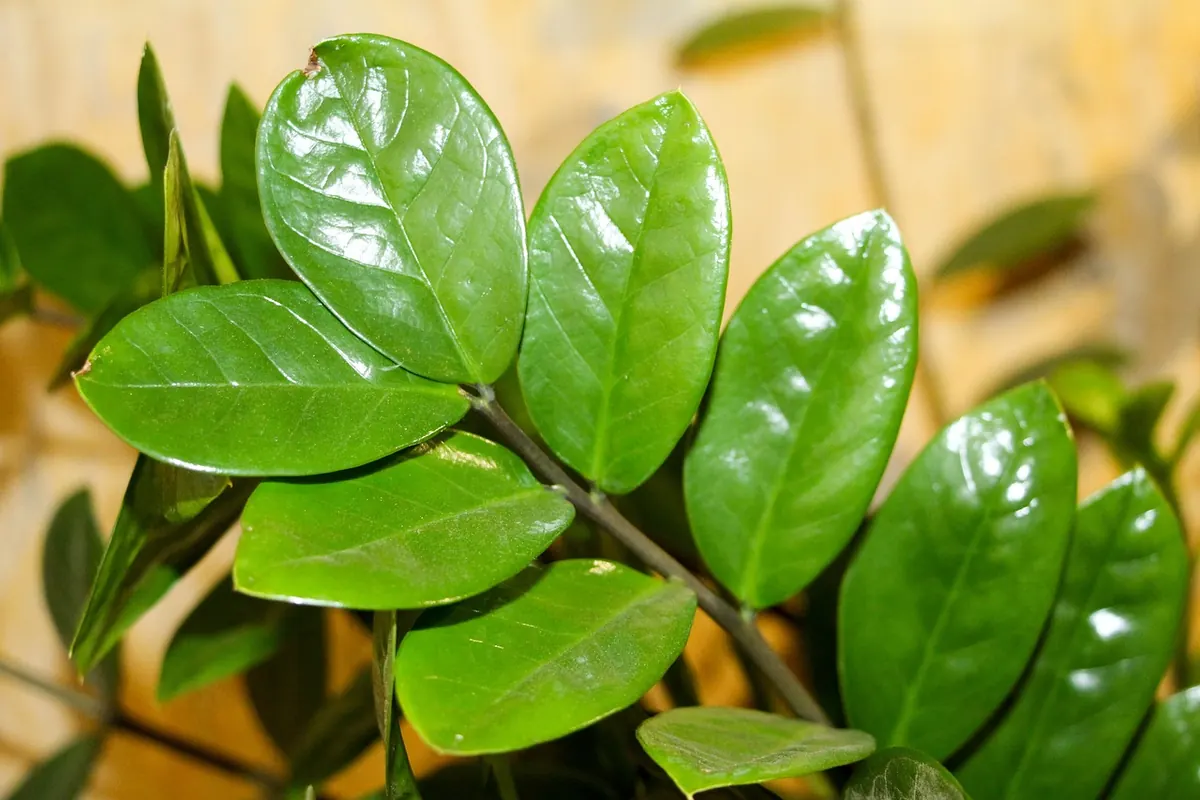
Photo: Diermaier / Pixabay